Author: Daya

  • LIFE IN BALANCE

    LIFE IN BALANCE

         HARMONY IN BUSY WORLD

    Life in Balance: Finding Harmony in a Busy World

    It’s easy to get caught up in the hustle and bustle of daily life. With multiple responsibilities, obligations, and distractions vying for our attention, it can be challenging to maintain a sense of balance and harmony.

    However, achieving balance in life is essential for our overall well-being, happiness, and success. When we’re in balance, we’re more productive, creative, and resilient. We’re better equipped to handle life’s challenges and make the most of its opportunities.

    So, what does it mean to live a balanced life? And how can we achieve it?

    The Key Elements of a Balanced Life.

    A balanced life is one that incorporates multiple aspects of our being, including:

    1. Physical Health: Taking care of our bodies through regular exercise, healthy eating, and adequate sleep.
    2. Mental and Emotional Well-being: Nurturing our minds and emotions through self-care, mindfulness, and meaningful relationships.
    3. Personal Growth and Development: Engaging in activities that promote learning, creativity, and self-improvement.
    4. Social Connections and Community: Building and maintaining strong relationships with family, friends, and community.
    5. Purpose and Meaning: Pursuing activities and goals that give us a sense of direction, fulfilment, and contribution.

    Tips for Achieving Balance in Life.

    1. Set Clear Priorities: Identify what’s most important to you and allocate your time and energy accordingly.
    2. Establish a Routine: Create a daily schedule that includes time for work, rest, and play.
    3. Learn to Say No: Set healthy boundaries and avoid overcommitting yourself.
    4. Practice Self-Care: Make time for activities that nourish your mind, body, and soul.
    5. Seek Support: Surround yourself with people who support and encourage you.

    Conclusion.

    Living a balanced life is a journey, not a destination. It requires effort, intention, and commitment. By prioritizing our physical, mental, and emotional well-being, and by nurturing our relationships and pursuits, we can create a life that is rich, fulfilling, and meaningful.

    Remember, balance is not about achieving perfection; it’s about finding harmony and flow in the midst of life’s challenges and opportunities. By embracing this mindset, we can live a life that is truly in balance.

    Self care, mindfulness, and meaningful relationships.

  • Tough Road, Tougher We Grow!

    Tough Road, Tougher We Grow!

    What experiences in life helped you grow the most?

    Life’s journey is rarely straightforward. Even those we admire and look up to have faced their share of twists and turns, setbacks, and distractions. Yet, it’s precisely these experiences that shape us into who we’re meant to be.

    The scars, bumps, and humps we accumulate along the way are not just reminders of our struggles. They are also badges of honor. These badges symbolize our growth and resilience. Each challenge we overcome is a lesson learned. It is a graduation to the next stage of life. It is an opportunity to don the “battle cloths” that equip us for the next adventure.

    Living with sickle cell disease has presented significant lifelong challenges; yet, it has also fostered remarkable resilience. Despite frequent hospitalizations, ongoing medication, and pain management, I have remained determined not to be defined by this condition. Instead, I have channeled my energy into my journalistic pursuits, motivated by faith and a passion for music.

    My goal is to create a compelling narrative that powerfully demonstrates the human spirit’s resilience and enduring hope.

    Here are some of the phrases to toughen the tough, and have worked for me.

    Pain is temporary, quitting is forever:

    This phrase reminds us that pain and discomfort are temporary, but giving up can have lasting consequences.

    Tough times don’t last, but tough people do:

    This phrase encourages us to develop our inner strength and resilience. We should know that difficult times will pass. Yet, our character will endure.

    Fall seven times, stand up eight:

    This Japanese proverb emphasizes the importance of perseverance and getting back up after failure.

    When life gives you lemons, make lemonade:

    This phrase encourages us to make the most of difficult situations and find opportunities for growth and learning.

    The greatest glory in living lies not in never falling, but in rising every time we fall:

    This quote from Nelson Mandela reminds us that it’s not about being perfect. It’s about learning from our mistakes and rising above them.

    Tough road tougher we grow, illustrated how what doesn’t kill you make you stronger. For you and those who feel less of yourselves, don’t. As long as there is tomorrow, there is a chance to try again. Believe in God and in yourself to always stand when you fall.

  • Poverty in Rural Uganda: The Impact of Limited Access to Education

    Poverty in Rural Uganda: The Impact of Limited Access to Education


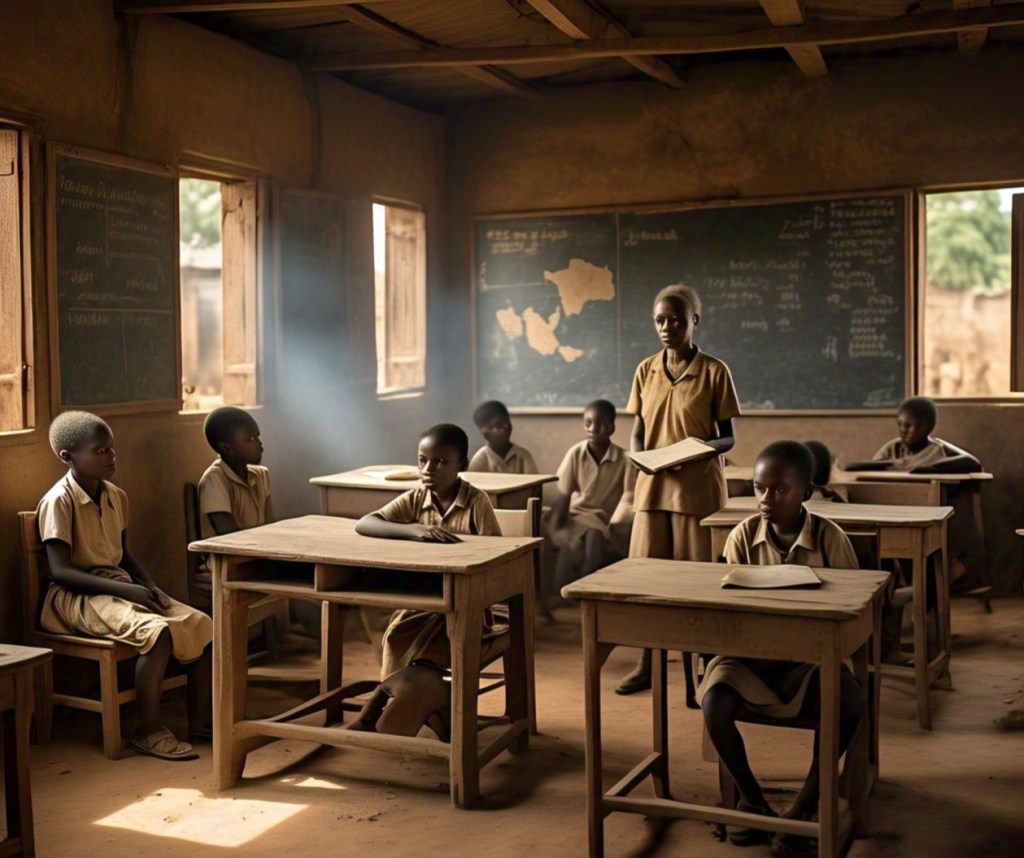
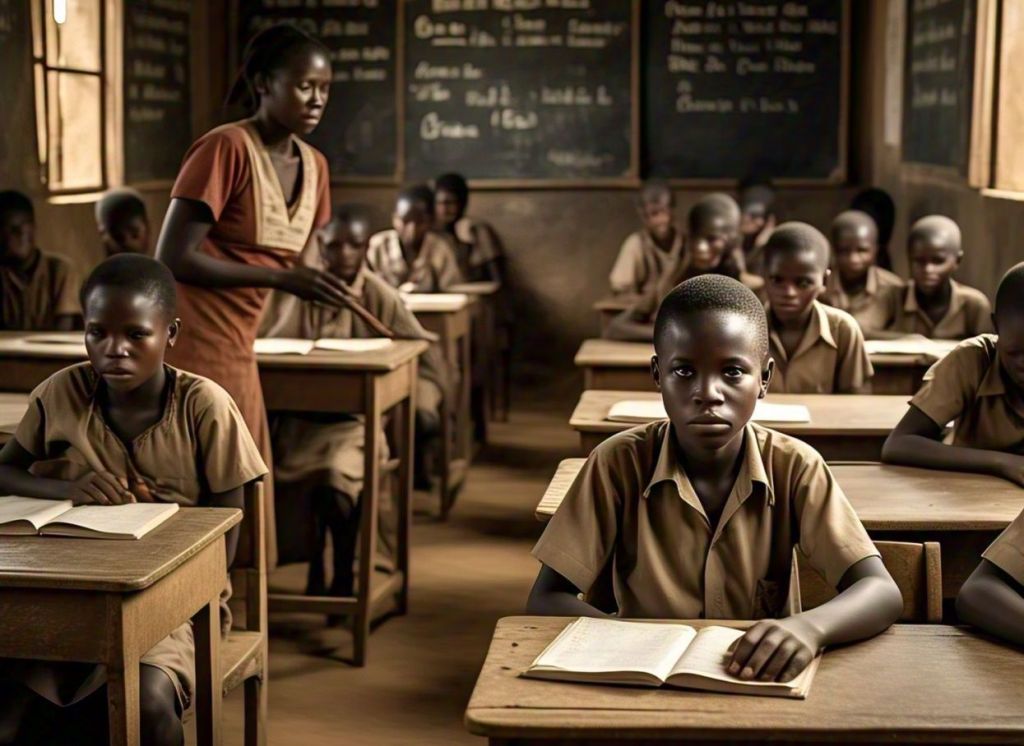
    Rural poverty remains a significant challenge in Uganda, with many communities struggling to access basic necessities like education, healthcare, and economic opportunities. One critical factor contributing to rural poverty is the limited access to quality education. In this article, we’ll delve deeper into the challenges of teacher qualification in rural Uganda and explore potential solutions.

    The Qualification Conundrum

    The qualification of teachers in rural Uganda is a pressing concern. Many rural schools lack qualified teachers, resulting in poor academic performance and limited opportunities for students. According to a report by the Ministry of Education and Sports, over 70% of teachers in rural Uganda lack the required qualifications.

    This shortage of qualified teachers is exacerbated by factors such as:

    – Limited access to teacher training programs
    – Inadequate infrastructure and resources
    – Low salaries and incentives for teachers

    The Consequences of Unqualified Teachers

    The lack of qualified teachers in rural Uganda has far-reaching consequences. Students receive subpar education, leading to:

    – Poor academic performance
    – Limited opportunities for further education and employment
    – Perpetuation of cycles of poverty

    Breaking the Cycle: Potential Solutions

    To address the qualification conundrum, several solutions can be explored:

    – Teacher training programs: Governments and NGOs can invest in teacher training programs that equip educators with the necessary skills and knowledge.
    – Incentives for qualified teachers: Governments can offer incentives, such as higher salaries, housing allowances, or student loan forgiveness, to attract and retain qualified teachers in rural areas.
    – Innovative education technologies: Technology can help bridge the gap in rural education. Online platforms, mobile apps, and digital resources can provide students with access to quality educational content.

    Conclusion

    Rural poverty in Uganda is a complex issue, and addressing it requires a multifaceted approach. Improving access to quality education is critical, and addressing the qualification of teachers is a crucial step. By investing in teacher training programs, offering incentives for qualified teachers, and leveraging innovative education technologies, we can help break the cycle of poverty in rural Uganda.