Category: Life

  •    10 YEARS , ONE DREAM.

       10 YEARS , ONE DREAM.

    Where do you see yourself in 10 years?

                Voice of Generation: My Path to Top   

    At just 20 years old, l stood at the threshold of my dreams, diploma in hand, heart full of ambition. With a deep passion for journalism and mass communication, l envisioned a future not just filled with success, but one where her voice would echo across Africa as one of the continent’s most respected news anchors.

    The road wasn’t always easy. There were late nights, tight deadlines, and moments of self-doubt. But with every story l told, with every camera light that flicked on, l grew stronger, bolder, and more confident. My unique storytelling style, compassion for the people, and sharp intellect set her apart. I became a voice for the voiceless, shedding light on untold stories from the heart of Africa.



    By the age of 30, l had become a household name. Her face was familiar on major African news networks, and my name carried weight in the journalism world. I was known not just for her poise on screen but for the integrity behind every word l spoke.

                           My Parents house.



    Outside the newsroom, l never forgot where lcame from. I built a beautiful home for my parents, mother, and sisters, ensuring they lacked nothing. My family’s joy was my biggest reward.

    And yes, love found her too—a supportive man who admired my strength and shared my dreams. Together, we built a life filled with laughter, partnership, and purpose.

    Ten years may seem like a long time, but for l, it was just the beginning. A decade of growth, resilience, and grace had shaped me into the woman l always dreamed of becoming—and l was only getting started.


  •      TRANSFORM YOUR LIFE WITH TINY HABITS.

         TRANSFORM YOUR LIFE WITH TINY HABITS.

    What’s one small habit that has positively impacted your life this year?
    Communication isn’t my strong suit. My friends used to call me a brain eater because I would talk so much. However, I rarely said anything useful in conversations.

    I was reading books, listening to podcasts, and experiencing new things. I wanted to share what I was learning with my friends. I hoped they could grow too. But my communication skills were terrible. I couldn’t explain anything properly—literally.


    Whenever I spoke, I could see my friends getting bored or even frustrated.

    I remember one time when I was explaining something really important, and one of my friends actually started sleeping.

    It hurt to realize that I couldn’t explain anything to anyone. But what hurt me the most was not knowing why—I had no idea what was causing my poor communication skills.

                       My Writing Journey


    During this time, I started writing online. I had been journaling for one year, but it was inconsistent and occasional.

    However, I decided to make writing a daily habit. For the past two months, I’ve published something on social platforms, especially on my blog dayawetalk.com and on my LinkedIn.

    When I made this simple writing skill a habit, developing other good habits became easy for me. I started drinking five glasses of water a day. I also began exercising regularly and doing 30 push-ups every day.


    But the most important and surprising change was this: I found myself speaking fluently in conversations. I got straight to the point and made others fully understand what I wanted to say—all because of writing.

    Writing clarified my thinking.

    My communication skills improved drastically when I started writing.

    HOW? (You might be asking)

    When you write, you’re organizing your messy thoughts and channelling them into a proper form through words.

    Writing allows you to put out everything that’s on your mind. When you edit, you gain clarity about what you really want to say. Because the truth is, you don’t truly know what you think until you write it down. The Poet John Didion said, “I don’t know what I think until I write it down”.

    A Quick Challenge For You:
    Try explaining something to someone—it could be anything.

    Now, write down what you want to explain.

    Then, explain it again to that person and notice the difference.

    Observe how your way of explaining enhanced— when you wrote it.

    So this year, the one skill I’m most grateful to have built—and will keep building—is writing.

  •        INK OF MY IDENTITY.

           INK OF MY IDENTITY.


                A journey of a marked soul

    “The Ink Behind the Smile: A Tribal Mark of My Journey”

    Two years ago, when I stepped into the bustling world of Makerere University to pursue my dream of becoming a journalist, I also made a bold personal decision—one that would leave a permanent mark not just on my skin, but on my identity.

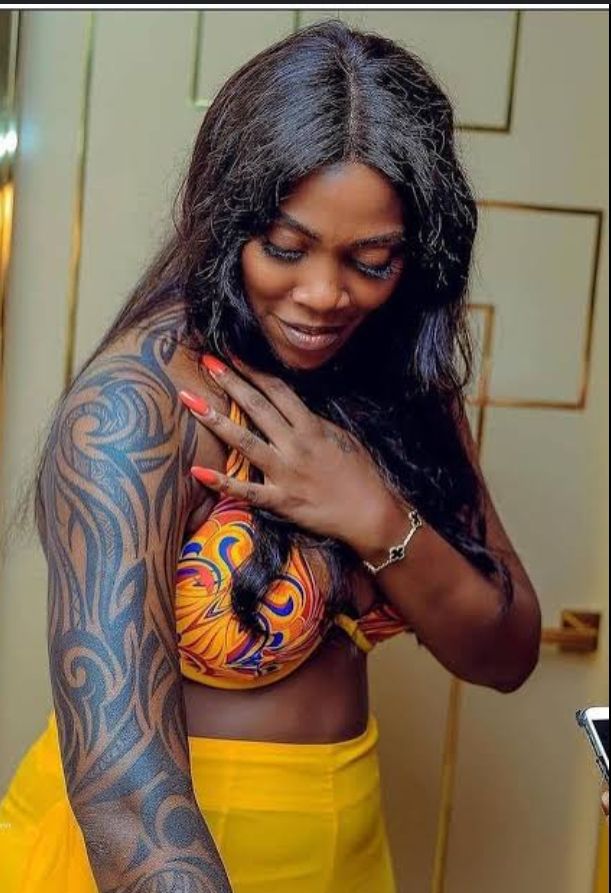
                       Tattoo Admirer .


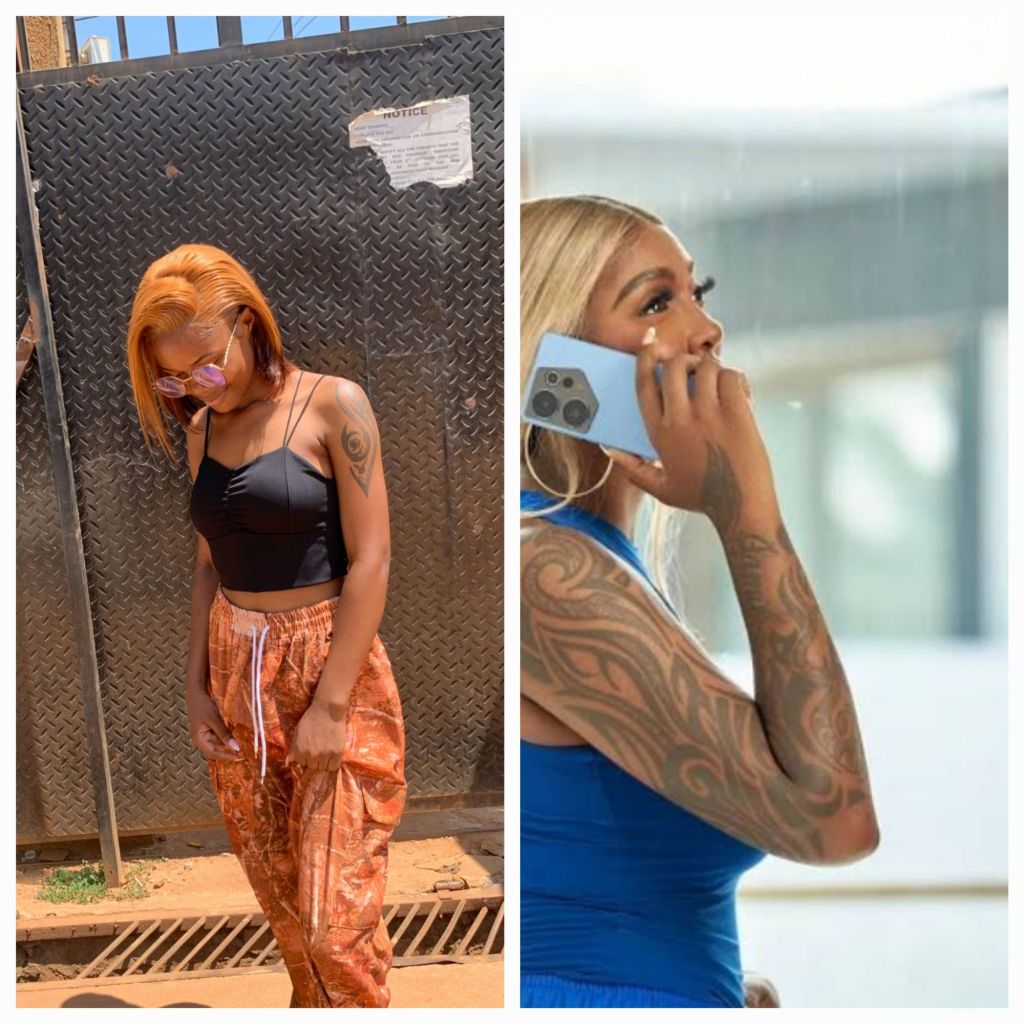
    I had always admired Tiwa Savage—not just for her voice and stage presence, but for her fearless expression. One thing about her that captivated me was her tattoo. It wasn’t just fashion—it was art, attitude, and self-ownership. That’s what inspired me to finally get the tattoo I had been thinking about for a long time.

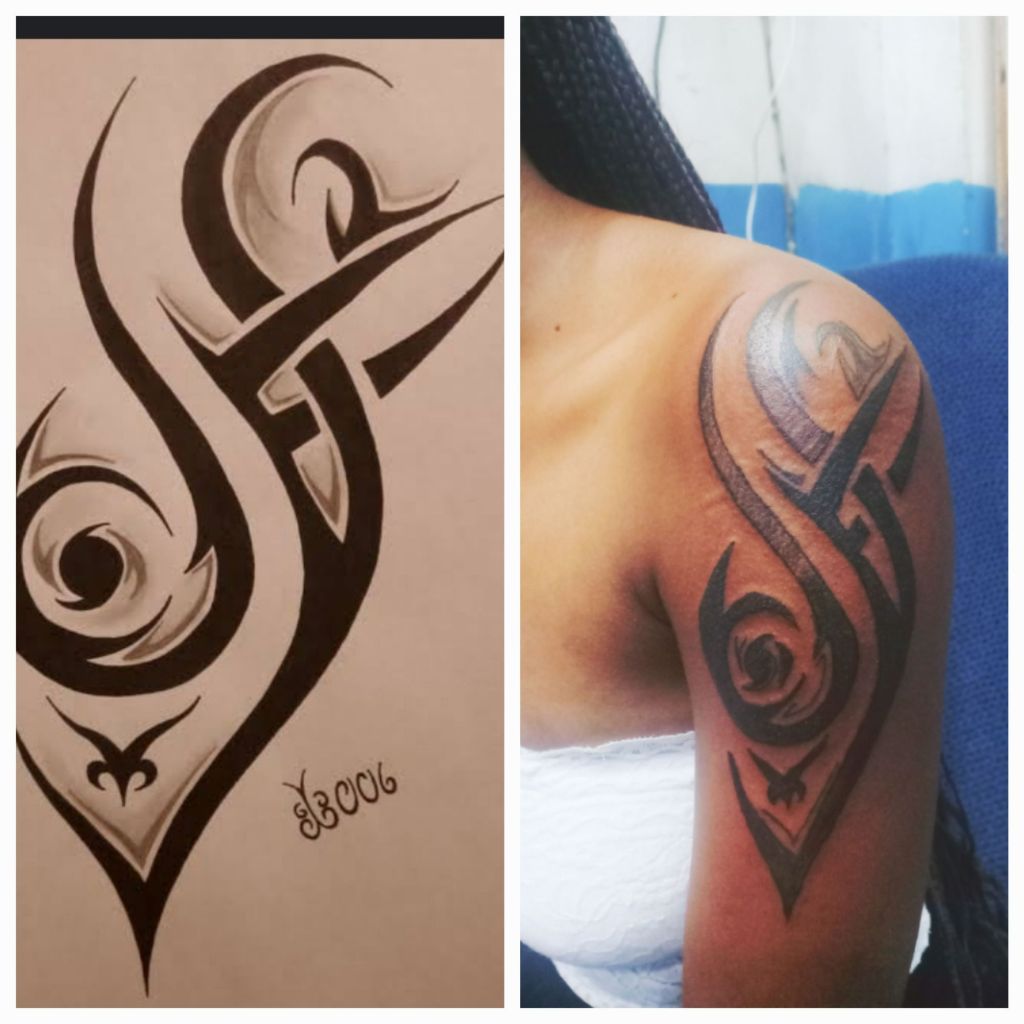
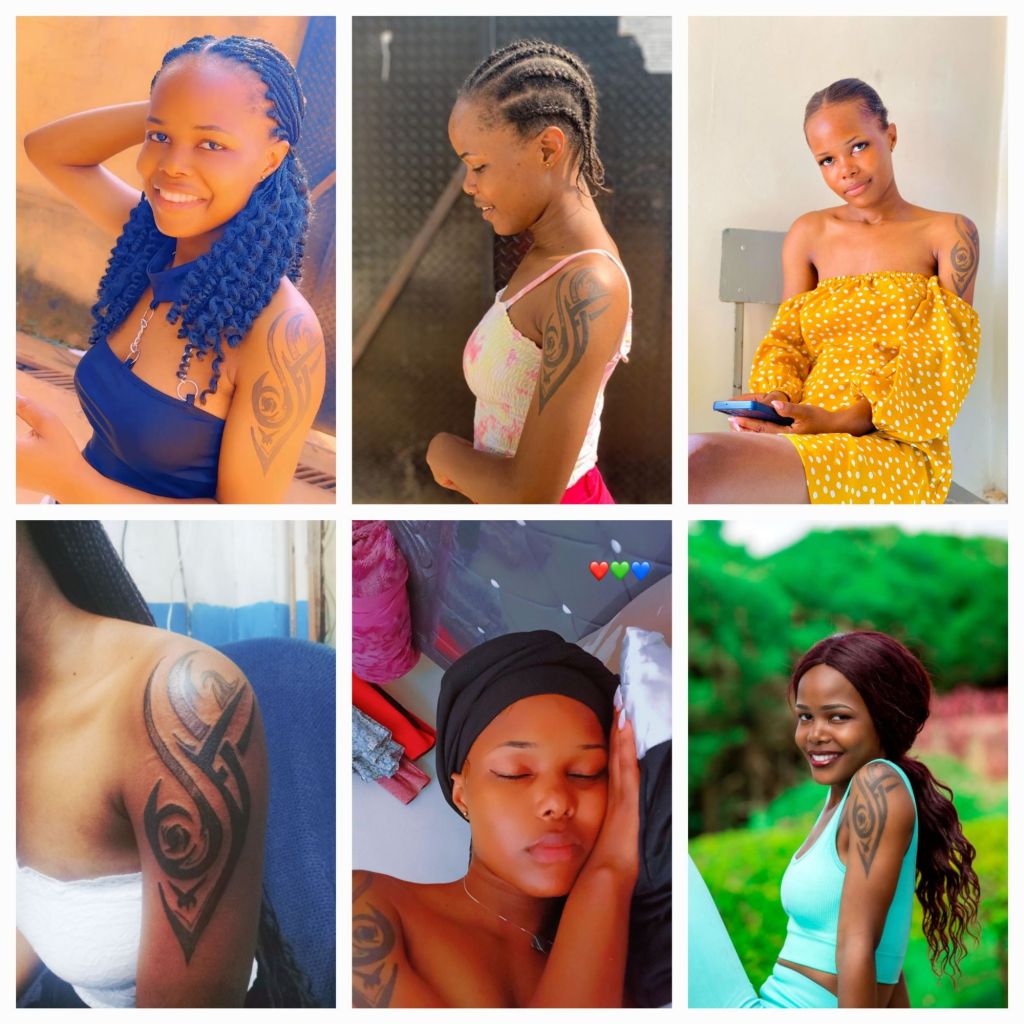
    Unlike Tiwa’s, mine is a tribal tattoo—a design deeply rooted in African heritage. I didn’t just want something trendy; I wanted something that connected me to my roots, something powerful. Tribal tattoos carry meaning. They are stories told in ink, lines that speak of strength, identity, and transformation. For me, it symbolized a rite of passage—from the girl I was, to the woman I was becoming.

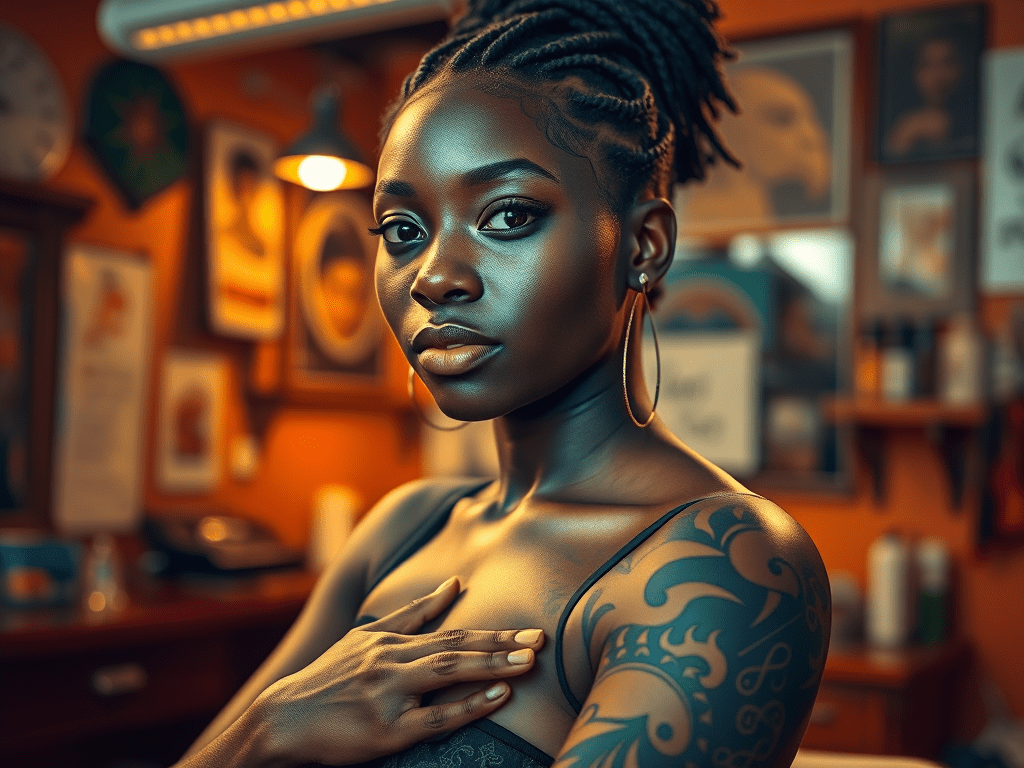
                             Studio Hour.

          Sketch.                          Original


    The way l was so excited to have , even l didn’t hear the pain . I was like finally l have it now.


    I got it while I was staying in the hostel—my first taste of freedom from home. I remember walking into the tattoo studio, nervous yet determined. The buzzing sound of the machine, the prickling sensation on my skin—it was all worth it when I saw the final design. It was bold, beautiful, and undeniably me.


    But being a young African woman with a tattoo—especially a tribal one—is not seen the same way by everyone.


    At campus, I quickly got used to the stares and whispers.

    “That’s a big tattoo for a girl like her.”
    “She must be wild.”
    “What will her parents say?”

    It’s funny how people judge what they don’t understand. In our culture, girls are expected to be modest, obedient, and to follow the path their parents laid out. Tattoos? That’s not part of the plan—especially not for someone still under their parents’ watch.

    That’s where the fear comes in. My mother doesn’t know I have the tattoo. And I know the day she finds out, it won’t be easy. Not because she doesn’t love me, but because she believes in the values passed down from generation to generation. For her, tattoos are a sign of rebellion. She won’t see the meaning behind it at first. She’ll see disappointment, maybe even shame.

    But what she doesn’t know is that this tattoo represents everything I’ve grown into—courage, independence, and the spirit of storytelling that drew me to journalism in the first place. It’s a reminder that I own my journey and that I can honour my culture while also carving out my own voice.

    This tribal tattoo is more than decoration. It is a bridge between who I was, who I am, and who I am becoming. Even with the gossip, even with the fear of disappointing my mother—I don’t regret it. Not one bit.

    Because this ink tells my story.

                “Evey Line Tells a Legacy”